sábado, 9 de marzo de 2024

First-Period Review

First-Period Review


1.- Different Types of Therapists

Vocabulary Presentation of the different types of therapists


Exercise b on page 46

2.- Helping a patient with meals


Vocabulary Presentation about Utensils for helping a patient with meals

https://lasallecancun-my.sharepoint.com/:p:/g/personal/dc0519_lasallecancun_edu_mx/EaczJUFjcdxLgzNtz0CyioAB94WeBgJT9nQpYSQl9piZ_w?e=cNhbUH 


Exercises b and c on page 48


Collaborative online exercise about the use of have got and has got

https://learnenglishkids.britishcouncil.org/grammar-practice/have-got


3.- Safe swallowing
Respiratory system chart


Collaborative Online Exercise about the Respiratory System: https://kidshealth.org/en/kids/rsquiz.html


Individual Online Exercise about the Respiratory System: https://www.liveworksheets.com/es/w/en/science/473834


Digestive system chart


Collaborative Online Exercise about the Digestive System: https://www.liveworksheets.com/es/w/en/natural-science/120070


Individual Online Exercise about the Digestive System: https://www.liveworksheets.com/es/w/en/natural-science/184434


Exercises a and c on page 50


Exercise e on page 51


4.- Reassuring a patient before an unpleasant procedure

Vocabulary Presentation

https://lasallecancun-my.sharepoint.com/:p:/g/personal/dc0519_lasallecancun_edu_mx/EXTNp2mEzxBBghYLbRHEOpgBXpbbFwWh1Wm5IHaOn4GNWA


Exercise d on page 52

sábado, 2 de marzo de 2024

5.5.- Charting and documentation: Food chart and quantifiers


What is this chart used for?

What do nurses write in this chart?

Have you ever used a chart like this before?


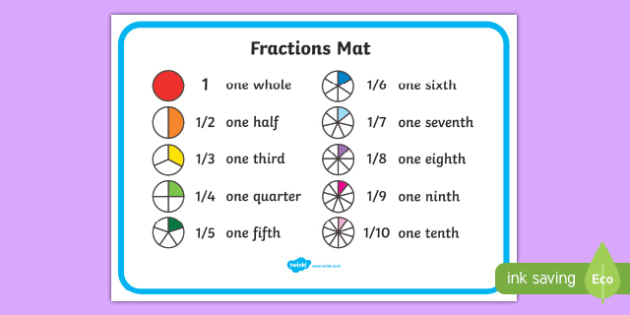
2/4 = two quarters


Collaborative Online Exercise about Naming Fractions:

Individual Online Exercise about Naming Fractions:


The partitives


Collaborative online exercise about the partitives

https://agendaweb.org/exercises/grammar/containers/quantity-containers-1


Individual online exercise about the partitives

https://www.liveworksheets.com/at610438hr


Exercise c on pages 53 and 54


After watching the video about meal times for older people, discuss the considerations when designing a dietary plan for elders.


Exercise b on page 54

https://www.topworksheets.com/t/oZRmitA4h1Y


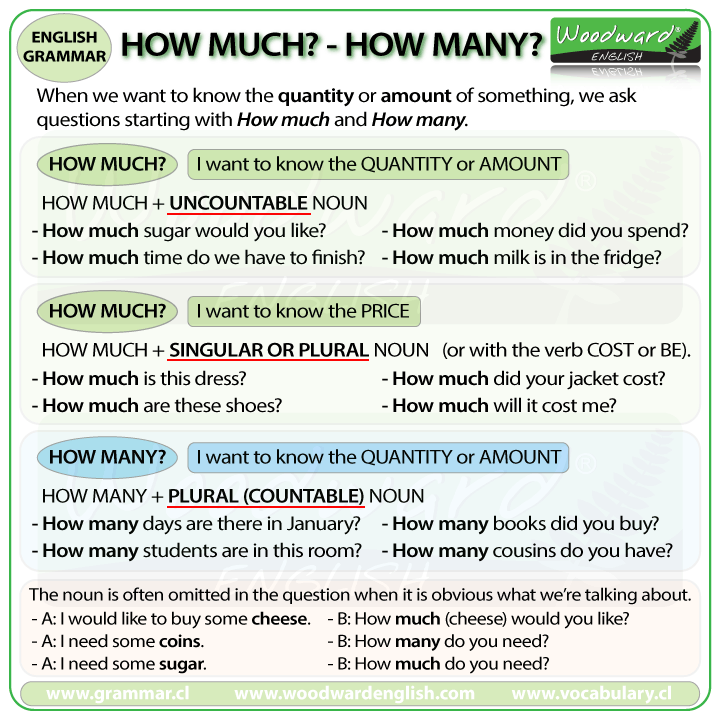
The use of how much and how many


Introductory conversation video about the use of how much and how many

Video quiz: https://app.kwizie.ai/en/qp/674959


How much and how many chart


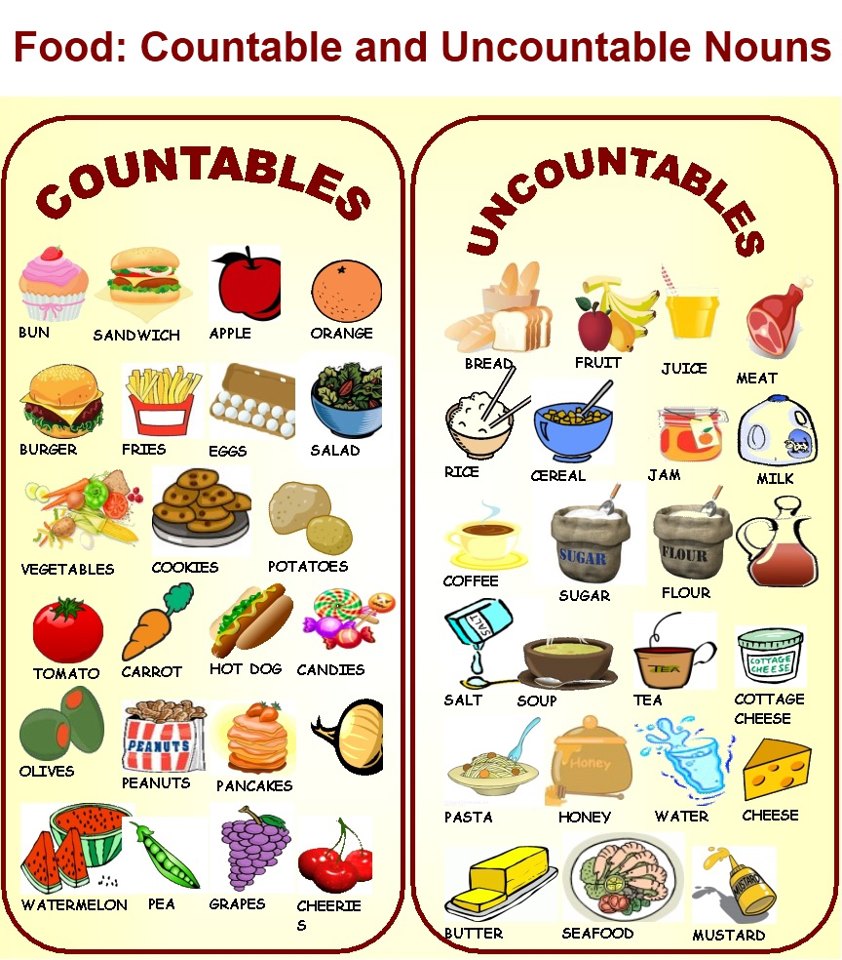
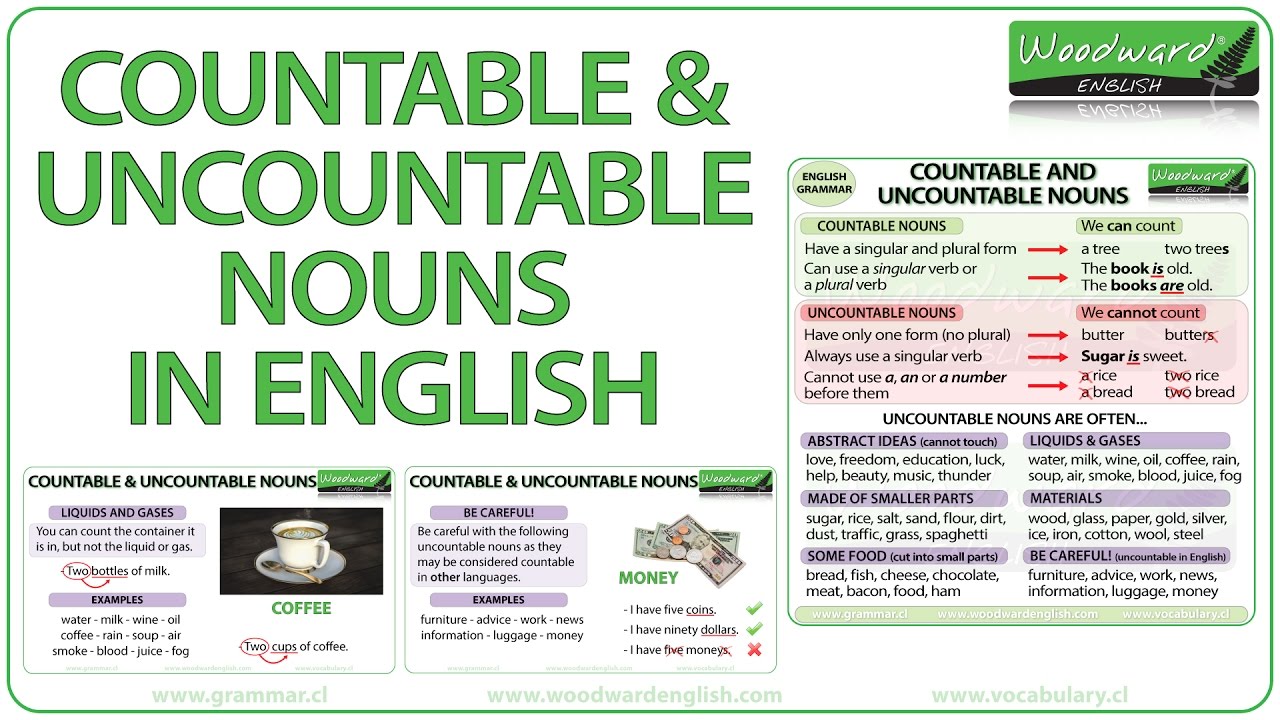
Countable and uncountable nouns chart


Collaborative exercise about the use of how much and how many

https://agendaweb.org/exercises/grammar/countable-uncountable/how-many-much


How much and how many onine exercise

https://www.englisch-hilfen.de/en/exercises/confusing_words/much_many3.htm


Introductory conversation video about quantifiers and partitives


Quantifiers
There is just a little oil left.
What do you say we cook some tuna salad?
You should buy some yogurt.
Are there any eggs?

Partitives
We need to buy a bottle of oil.
Then, we should buy two cans of tuna.
How many loaves of bread do we need?
A bunch of bananas

Quantifiers

Collaborative online exercise about the use of the quantifiers

Individual online exercise about quantifiers

Closing Speaking Practice: Present in teams a sample meal menu for a patient including the disease, the patient's situation, the sample meal, and special considerations.

Oral Presentation: Feeding a Post-Stroke Patient Using Fractions


1. Introduction:

Hello everyone. Today, I’m going to talk about how to feed a patient who has had a stroke.


2. The Patient’s Situation:

  • The patient is a 75-year-old man who recently suffered a mild stroke.
  • As a result, he has difficulty swallowing, which is known as dysphagia.
  • He is also unable to feed himself, so he needs assistance during mealtime.
  • His diet is pureed food and thickened liquids, and we must monitor how much he eats at every meal.


3. Meal Sample:

  • The food is divided into small portions:
    • ½ plate of mashed potatoes
    • ¼ plate of pureed chicken
    • ¼ plate of blended carrots
  • For his drink, he receives ½ a cup of thickened apple juice.


4. Special Considerations:

  • I sit the patient up at a 90-degree angle to reduce the risk of choking.
  • I speak calmly: “Are you ready for another bite?”
  • I check for signs of discomfort or fatigue.
  • After feeding, I clean his mouth and record the fractions eaten on the patient chart.


viernes, 1 de marzo de 2024

5.4.- Reassuring a patient before an unpleasant procedure

What unpleasant or painful medical procedures do you know?


Video about Neogastric (NG) Tube insertion


Exercises 4a, 4b, 4c and 4d on page 52


The truth about 9 notoriously painful medical procedures online article on

https://www.prevention.com/health/g20436821/9-notoriously-painful-medical-procedures/


 Exercises a and b page 52


Exercise c on page 52

https://www.topworksheets.com/t/1DJQ07rnKUk


Exercise d on page 52

https://wordwall.net/es/resource/89484860


Plenary un a shared document about useful phrases for commicating with a patient about a nasogastric tube insertion.


AIDET video


Video quiz: https://app.kwizie.ai/en/qp/432872

8.4.- A diabetes care plan and comparisons

  What is a diabetes plan used for? Exercises on pages 81 and 82 Types of comparison in English 1.- Comparisons with adjectives 2.- Comparis...