sábado, 1 de junio de 2024

8.4.- A diabetes care plan and comparisons


What is a diabetes plan used for?

Exercises on pages 81 and 82

Types of comparison in English

1.- Comparisons with adjectives

2.- Comparisons with adverbs

3.- Comparisons with verbs

4.-Comparisons with nouns


Conversation video about the comparatives

Not as beautiful as yours.
They are tasty, but not as delicious as this salad.
A more modern phone won't make you happier.
Is he older than Kristen?
He is as handsome as Kristen.
He is quieter and more sensitive than his sister.
But she is funnier and nicer.
Well, I think she considers character is more important than appearance.
The cake tastes just as good as it looks.

Collaborative online exercise about the use of more, less and fewer.

Individual online exercise about the use of more, less and fewer
https://www.tolearnenglish.com/exercises/exercise-english-2/exercise-english-120992.php


8.3.- Blood glucose levels

Video about blood glucose levels


Exercise 3a on page 79

https://wordwall.net/es/resource/93385149


Exercise b on page 79

https://wordwall.net/es/resource/93385524


Exercise b on page 79

sábado, 25 de mayo de 2024

8.2.- Asking a patient for consent


When do nurses ask a patient for consent?


Communication focus and exercises 2a and 2b on page 78


Structures for questions when asking a patient for consent?

Can + Subject + Verb + Complement?

Do you mind if + Subject + Verb + Complement?

Is it all right if + Subject + Verb + Complement? 

Is it OK if + Subject + Verb + Complement? 


Verification questions when asking a patient for consent

Is that all right? 

Is that OK?


Speaking practice on Wordwall

https://wordwall.net/es/resource/74253092


Teamwork Activity: Writing questions for asking a patient for consent in different procedures.

sábado, 18 de mayo de 2024

8.1.- Doing a blood sugar test and modal verbs

 Introductory video about what diabetes is.


Video quiz of what diabetes is

Vocabulary Presentation about Tools when Doing a Blood Sugar Test

Blood Sugar Testing: Essential Tools and Their Uses


Monitoring blood sugar is vital for diabetes care. Healthcare professionals use several tools to perform these tests.


Glucometer


A glucometer is a handheld device that measures blood sugar levels. Insert a test strip, apply a blood drop, and the device displays the glucose reading.


Blood Testing Strips

These are disposable strips used with a glucometer. They collect the blood sample and contain chemicals that react with glucose.


Lancets

Lancets are small needles used to prick the skin, usually the fingertip, to obtain a blood sample. They are often used with a lancing device to control depth and reduce discomfort.


Cotton Swabs

Cotton swabs, often soaked in alcohol, are used to clean the skin before pricking and to stop bleeding afterward.


Urinalysis Sticks

These strips detect glucose in urine. Dip the stick into a urine sample; a color change indicates glucose presence. While less precise than blood tests, they provide additional information.


Step-by-Step Guide:

  1. Prepare Materials: Gather glucometer, test strip, lancet, alcohol swab, and cotton swab.
  2. Clean Hands: Wash and dry hands thoroughly.
  3. Insert Test Strip: Place a new strip into the glucometer.
  4. Prepare Lancet: Load a new lancet into the device.
  5. Clean Finger: Use an alcohol swab to disinfect the fingertip.
  6. Obtain Blood Sample: Prick the finger and collect a drop of blood.
  7. Apply Blood: Touch the blood drop to the test strip.
  8. Read Result: Wait for the glucometer to display the reading.
  9. Post-Test Care: Use a cotton swab to stop bleeding.
  10. Dispose Materials: Safely discard used items.


Understanding these tools ensures accurate blood sugar monitoring and effective patient care.


References


Collaborative Exercise 1a on page 76

Understanding Diabetes: Type 1, Type 2, and Gestational

Diabetes is a condition where the body has trouble managing blood sugar levels. There are three main types: Type 1, Type 2, and Gestational Diabetes. Each type has different causes, treatments, and effects on health.


Type 1 Diabetes

Type 1 diabetes usually starts in childhood or adolescence. It happens when the immune system attacks the pancreas, stopping it from making insulin. People with Type 1 diabetes need to take insulin every day to control their blood sugar. The exact cause is not known, but genetics and environmental factors may play a role.


Type 2 Diabetes

Type 2 diabetes is more common in adults but can also occur in younger people. It develops when the body doesn't use insulin properly, leading to high blood sugar levels. Risk factors include being overweight, lack of exercise, and family history. Treatment often involves lifestyle changes like healthy eating and regular exercise. Some people may also need medication or insulin therapy.


Gestational Diabetes

Gestational diabetes occurs during pregnancy and usually goes away after the baby is born. It happens when pregnancy hormones make it harder for the body to use insulin. This type increases the risk of high birth weight and complications during delivery. Women with gestational diabetes have a higher chance of developing Type 2 diabetes later in life. Management includes a healthy diet, physical activity, and sometimes insulin therapy.

Key Differences

Feature

Type 1 Diabetes

Type 2 Diabetes

Gestational Diabetes

When it occurs

Childhood or adolescence

Adulthood (but increasing in youth)

During pregnancy

Cause

Autoimmune response

Insulin resistance

Hormonal changes in pregnancy

Insulin production

None

Reduced or ineffective use

Reduced due to pregnancy hormones

Treatment

Insulin injections

Lifestyle changes, medication, insulin

Diet, exercise, possibly insulin

Duration

Lifelong

Lifelong

Temporary (during pregnancy)

Conclusion

Understanding the differences between these types of diabetes is important for providing proper care. Each type requires specific management to ensure the health and well-being of patients.


References


Exercise b on page 76


Exercise c on page 76

Exercises d and e on page 77


 Video: How to do a blood glucose test?


Video quiz how to do a blood glucose test

sábado, 11 de mayo de 2024

7.6.- Hospital departments and giving directions


🏥 Understanding Hospital Departments: A Guide for Nursing Students


Hospitals are organized into various departments, each specializing in specific aspects of patient care. Below is an overview of essential hospital departments:


1. Emergency Department (A&E)

This department handles patients requiring immediate medical attention due to accidents, sudden illnesses, or severe conditions. It operates 24/7 and is staffed by healthcare professionals trained to manage urgent and life-threatening situations.


2. Intensive Care Unit (ICU)

The ICU provides specialized care for patients with critical health issues needing constant monitoring and support. It is equipped with advanced medical equipment and staffed by professionals trained in intensive care.


3. Maternity Ward

Dedicated to childbirth and postnatal care, the maternity ward supports expectant mothers during labor and provides care for newborns and mothers after delivery.


4. Occupational Therapy Department

Occupational therapists assist patients in regaining physical and mental functions to perform daily activities. They provide therapy and support to help individuals participate fully in life.


5. Oncology Department

Specializing in cancer care, this department offers treatments such as chemotherapy and radiotherapy for patients with cancerous tumors.


6. Orthopaedic Clinic

This clinic focuses on diagnosing and treating musculoskeletal conditions, including injuries and disorders affecting bones, joints, and muscles.


7. Outpatient Department (OPD)

The OPD provides medical services to patients who do not require overnight hospitalization. It offers consultations, diagnostic tests, and minor procedures.


8. Phlebotomy Unit

Phlebotomists in this unit are responsible for drawing blood samples from patients for laboratory testing, aiding in diagnosis and treatment planning.


9. Physiotherapy Department

Physiotherapists help patients recover from injuries or surgeries by providing exercises and interventions to improve physical function and mobility.


10. Psychiatric Unit

This unit addresses mental health conditions, offering diagnosis, treatment, and support for patients with psychiatric disorders. Services may include counseling and medication management.


🔚 Conclusion

Understanding the roles and functions of various hospital departments is essential for nursing professionals. Each department plays a vital role in patient care, and effective collaboration among these units ensures comprehensive treatment and recovery for patients. As a nursing student, familiarizing yourself with these departments will enhance your ability to provide holistic and informed care.


📚 References


Exercise 5a on page 73
https://wordwall.net/es/resource/93063570


Mimes about the vocabulary of hospital departments


Exercise e on page 75

https://www.topworksheets.com/t/tNhUA7c2R5e


How operatively speaking are hospitals divided into?


The ward is on the second floor.
The ward is next to surgery.

Where is the patient's bear?


A resident patient after having left the ward for an appointment with the specialist forgot where he had put his bear in the ward, so he wonders where his bear is.


Listening Practice about the Prepositions of Place with the song Latin Moon by Mia Martina: https://www.topworksheets.com/t/nsoENY__jPQ


Individual Online Exercise about the Prepositons of Place: https://www.liveworksheets.com/w/en/english-second-language-esl/45307


Giving directions


When we are at a hospital for the first time we can feel lost, so what do you do when you want to go to a specific department while being at a hospital for the first time?

Vocabulary Giving Directions


Collaborative and Individual Online Exercises about Giving Directions

https://learnenglishteens.britishcouncil.org/skills/listening/a2-listening/giving-directions


Exercise d on page 74


Collaborative Speaking Exercise about Giving Directions at School


7.4.- Appointments


What can patients do with appointments?

Exercise b on page 71

Exercise d on page 72

Collaborative reading of dialogues in exercise d on page 72

Exercise e on page 72

Role play of dialogues in exercise d on page 72


lunes, 6 de mayo de 2024

7.4.- CT Scan


What is like to get a CT scan with contrast? video


How to prepare for CT scan video


Exercises on pages 70 and 71.

She is seeing the doctor at that time. = In this statement 'at' is used as a preposition of time.

The prepositions of time in English are in, on, and at and they are used in relation to the unit of time.

Touch me song video

Listening Comprehension Exercise

Touch me in the morning and last thing at night.


In, on, and at as prepositions of time


Collaborative online exercise about in, on, and at as prepositions of time

Individual online exercise 1 about in, on, and at as prepositions of time on


Exercises on page 72

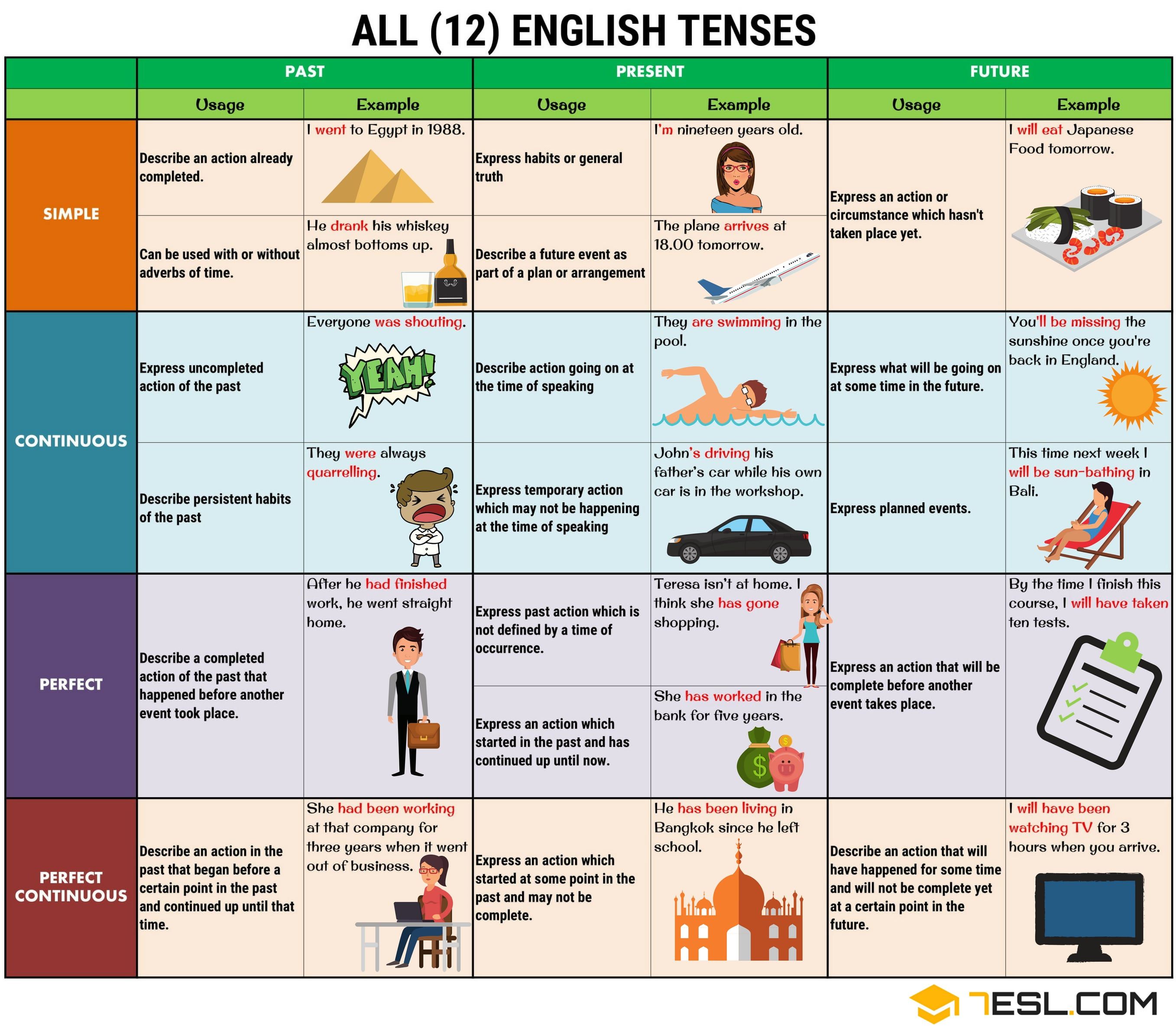
Do you how many tenses there are in English?


Individual online exercise about present, past or future simple tense

https://www.tolearnenglish.com/exercises/exercise-english-2/exercise-english-78168.php


8.4.- A diabetes care plan and comparisons

  What is a diabetes plan used for? Exercises on pages 81 and 82 Types of comparison in English 1.- Comparisons with adjectives 2.- Comparis...